We live in a world filled with wellness trends, quick-fix promises, and “miracle” diets. But according to experts at Harvard Health, there are simple, consistent, and truly timeless habits that have a real, long-term impact on your health. Instead of chasing fast results, it’s worth investing in practices that strengthen both your body and mind over the years.
In this article, we break down the five key habits recommended by Harvard that can transform your well-being in a sustainable and meaningful way.
1. Practice Mindfulness Daily

Mindfulness and meditation help reduce stress, improve sleep, and boost focus.
Anxiety often comes from worrying about the past or the future — staying present helps ease that tension.
Simple practices count: mindful walking, observing nature, breathing exercises, or using apps like Calm and Headspace.
A helpful technique is “box breathing”: inhale–hold–exhale–hold in an even rhythm. It helps regulate the nervous system, lower anxiety, reduce heart rate, and stabilize blood pressure.
Mindful eating can also support weight loss by slowing down your pace and helping you enjoy meals more intentionally.
2. Prioritize Quality Sleep

Poor sleep affects your mood, your ability to concentrate, and even your long-term physical health.
Quality sleep strengthens the immune system, supports weight control, and improves memory and decision-making.
Most adults need at least 7 hours of sleep per night, according to the CDC.
Sleep quality (deep, uninterrupted rest) matters just as much — if not more — than the total hours.
Limit caffeine in the afternoon, avoid heavy meals before bed, and disconnect from screens at least 30 minutes before sleeping.
If you frequently wake up during the night or feel tired during the day, talk to a doctor — conditions such as sleep apnea may be involved.
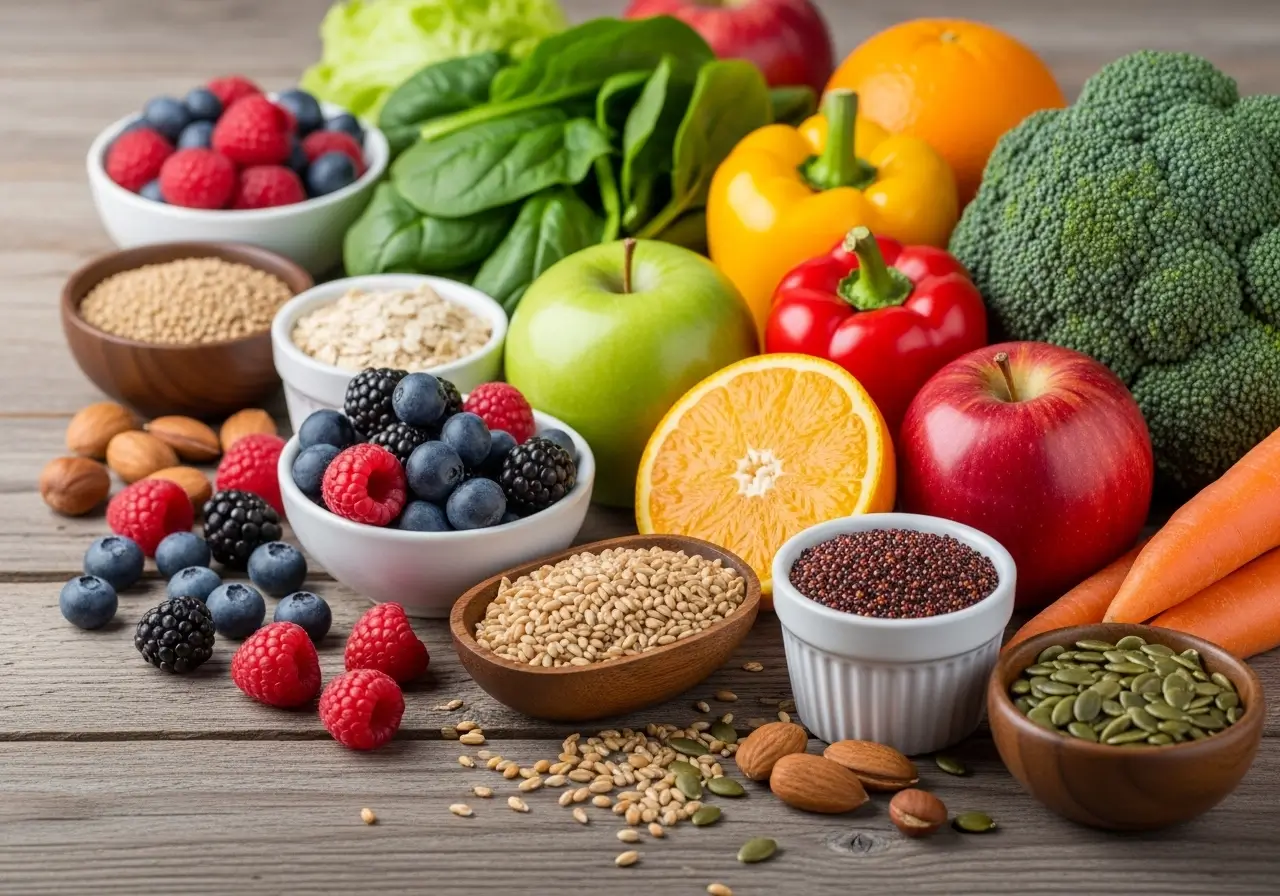
3. Focus on Real, Whole Foods

Diets rich in plants, fruits, vegetables, legumes, and minimally processed foods provide major health benefits.
These foods are associated with lower risks of heart disease, certain cancers, diabetes, and obesity.
Highly processed foods often contain excess salt, sugar, additives, and chemicals that encourage overeating and harm your health over time.
4. Move More, Sit Less

Sedentary behavior is one of the biggest threats to long-term health. It’s not just about working out for an hour — your daily movement matters.
Instead of asking, “How can I save time?” start asking, “How can I stay functional, flexible, and active?”
Turn daily moments into opportunities to move: walk during phone calls, choose stairs instead of elevators, take walking breaks between tasks.
For people with limited mobility, look for adapted movements and routines that fit your abilities and comfort level.
5. Protect Yourself From Everyday Toxins

We are constantly exposed to air pollution, microplastics, and chemicals such as PFAS, which are hard to avoid completely.
Fine particles in the air — like PM2.5 — can enter the respiratory system, pass into the bloodstream, and affect multiple organs, increasing the risk of respiratory and cardiovascular issues.
Here are a few simple ways to reduce exposure:
Use a water filter to reduce microplastics and harmful chemicals.
Replace plastic containers with glass, use stainless steel bottles, and choose dinnerware free of heavy metals.
When air quality is poor (like during wildfire smoke events), use an air purifier with a MERV 13 or higher filter if possible.
Ventilate your kitchen when cooking — open windows, use an exhaust hood, and if you can, consider switching to electric or induction stoves.
Conclusion
These five habits — mindfulness, quality sleep, whole-food nutrition, daily movement, and toxin reduction — may seem simple, but they are incredibly powerful. They’re considered “timeless” because they don’t rely on trends or quick fixes. Instead, they’re core behaviors that support long-term health and well-being.
Start small: choose one or two habits to focus on and build consistency over time. Share these practices with your family, too — healthy habits become even more impactful when everyone benefits from them together.
Font: https://www.health.harvard.edu/blog/5-timeless-habits-for-better-health-202509243106